
Public
Understanding the psychology behind gambling behavior and its impact on decision-making
Understanding the psychology behind gambling behavior and its impact on decision-making
The Intricacies of Gambling Psychology
The psychology of gambling encompasses various behavioral patterns and emotional triggers that influence a person’s decision-making process. Factors such as risk-taking, excitement, and social interaction play a significant role in how individuals engage with gambling. This allure often leads people to chase losses or become absorbed in the thrill of the game, despite the inherent risks involved. Understanding these psychological underpinnings can help in addressing problematic gambling behavior. For those interested, exploring crypto betting sites can provide valuable insights into modern betting practices.

Furthermore, cognitive biases like the illusion of control and the gambler’s fallacy contribute to irrational decision-making in gambling contexts. Players often believe they can influence outcomes or that past results will predict future events, leading them to make decisions that are not based on statistical realities. Recognizing these biases is crucial for developing healthier gambling habits.
The Role of Emotions in Gambling
Emotions significantly impact gambling behavior, often dictating choices made during gameplay. The excitement of winning can lead to euphoric states that cloud judgment, prompting players to take risks they might otherwise avoid. Conversely, feelings of despair following losses may drive individuals to gamble more in an attempt to regain their lost funds, creating a vicious cycle.
Emotional regulation is essential for maintaining a balanced approach to gambling. Those who struggle with managing their feelings may find themselves in a precarious position, ultimately leading to increased susceptibility to gambling addiction. Understanding the emotional triggers associated with gambling can help individuals make more informed and rational decisions.
Social Influences on Gambling Behavior
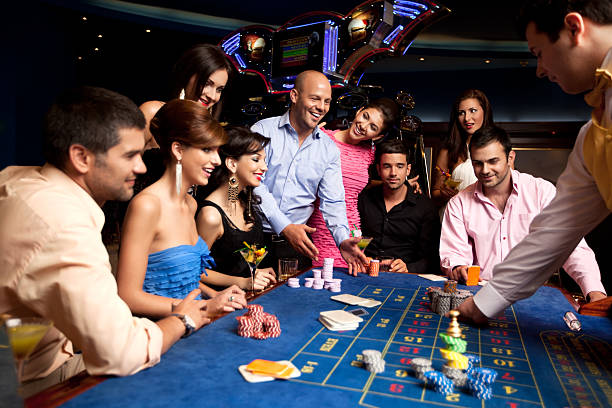
Gambling is often a social activity, and the influence of peers can significantly affect decision-making. Social reinforcement, such as encouragement from friends or family, can lead individuals to gamble more than they might on their own. Additionally, the desire to fit in or impress others can drive people to engage in high-risk gambling behavior.
The social environment surrounding gambling can also shape perceptions of risk and reward. When individuals see their peers winning, they may underestimate the risks involved, leading to poor decision-making. Understanding the social dynamics at play can help individuals develop strategies for resisting negative influences and making more rational choices.
The Impact of Marketing and Advertising
Marketing and advertising in the gambling industry are designed to attract players and enhance engagement. The use of vibrant visuals, enticing offers, and celebrity endorsements can create a sense of urgency and excitement that influences decision-making. These tactics often mask the risks associated with gambling, focusing instead on potential rewards.
As consumers become more aware of these marketing strategies, they can develop a critical eye towards gambling promotions. Awareness of the persuasive tactics used can empower individuals to make more rational decisions and approach gambling with a more informed mindset.
Enhancing Decision-Making Through Knowledge
Understanding the psychology behind gambling behavior is essential for making informed decisions. By recognizing emotional triggers, cognitive biases, and social influences, individuals can develop strategies to mitigate negative effects and engage in healthier gambling practices. Knowledge is power, and in the context of gambling, it can lead to better decision-making outcomes.
Engaging with reliable resources can further enhance understanding of gambling psychology and decision-making processes. The insights provided can serve as a foundation for responsible gambling, ultimately fostering a more balanced and enjoyable experience for all participants.
